Why Live Streaming Needs More Than Just a Camera Setup
Live streaming has become a go-to way to connect with bigger audiences, whether at large events, small panels, or company updates. But just setting up a camera and hitting record isn’t enough to keep people interested. Viewers expect more than a shaky feed and muffled sound. That’s where professional video content production steps in to make a clear difference.
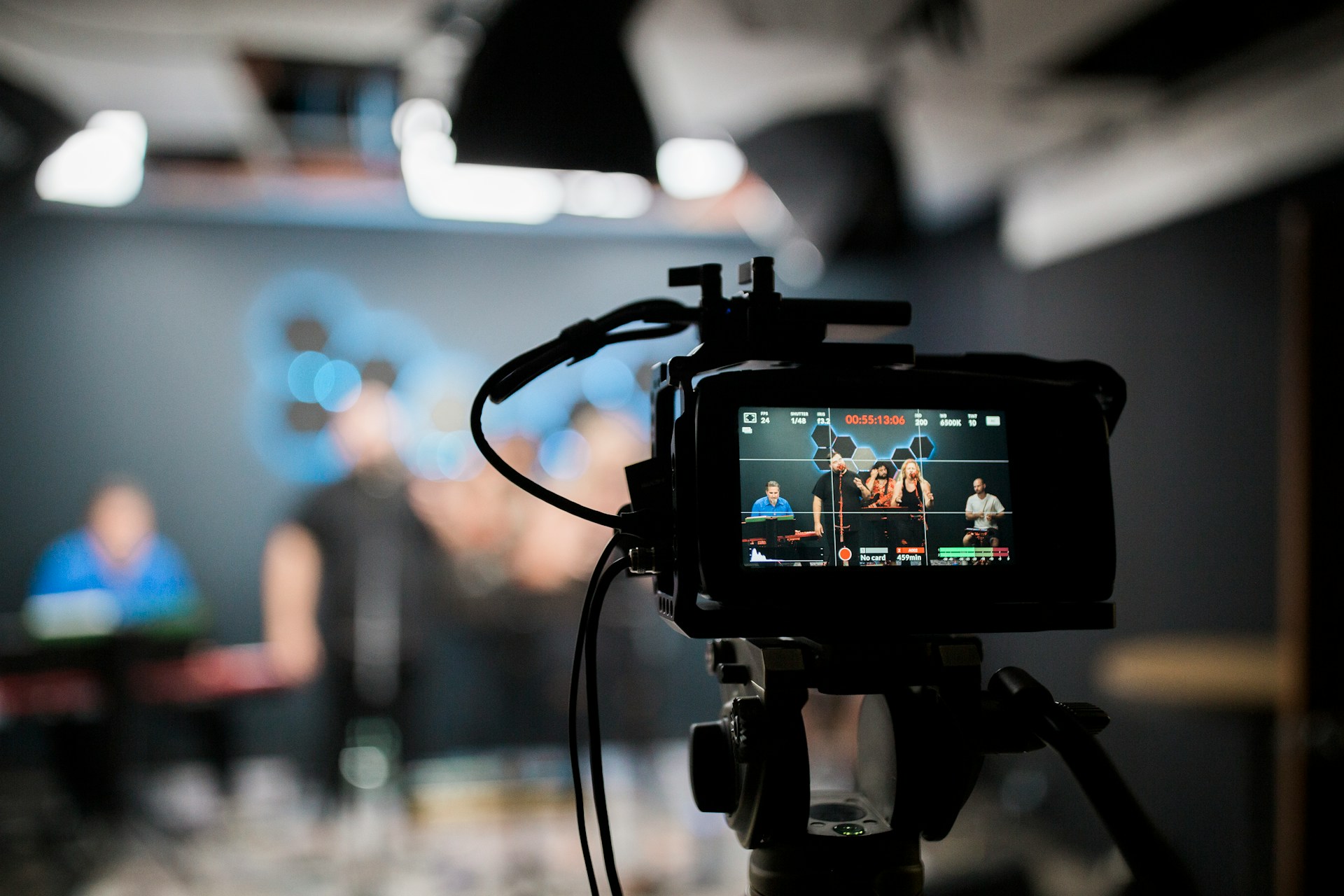
It takes more than the right gear. It’s about how everything comes together: camera work, sound, lighting, switching feeds, and making sure nothing crashes mid-stream. When these elements are handled with care, the stream feels intentional. And most importantly, it holds your audience’s attention start to finish.
Planning the Stream Like a Full Show
Treating a stream like a live show helps it run smoother and feel more polished. That means looking beyond the gear and thinking through the entire experience before going live. Good planning makes a big difference between a stream that feels chaotic and one that keeps people tuned in.
Here’s how we set things up for success:
We always start with the purpose of the event. Knowing who it’s for and what needs to happen guides every other decision. That includes what to show, how to frame it, and how best to keep people watching.
Camera placement matters. A badly placed camera can block a presenter or miss the action. We pick spots based on the room’s shape, the type of event, and how the audience will watch it.
Lighting and timing are part of the prep too. Poor lighting makes everything harder to see. We match the setup to the space, whether indoor or outdoor, so people at home don’t feel left out.
Just like a stage show, we plan transitions between speakers or shows. If there are breakout sessions, panel swaps, or quick shifts in program, we map those out ahead of time to stay one step ahead during the event.
Careful planning also means setting realistic timelines and anticipating challenges before they appear. This allows the team to allocate the right resources, schedule rehearsals, and avoid last-minute technical hiccups. Such preparation makes the show feel effortless for viewers and gives everyone on the team greater confidence as the event unfolds.
Making Audio Count Just as Much as Video
We’ve seen it too many times: great camera work getting ruined by poor sound. Audio is what keeps people connected to what’s actually being said and felt. If the mic cuts out or the sound echoes, most viewers stop watching altogether.
Here’s how we make the audio work as hard as the video:
Mic choice is key. Not every mic works in every space. We pick the right ones for each setup, whether indoors, outside, or on a windy day.
Balancing is part of what makes the sound feel natural. If levels jump or voices cut in too loud, the stream feels jarring. We steady the mix so volume stays comfortable the whole way through.
For events outdoors around Carrollton, Texas, February can bring cool mornings and unexpected wind shifts. That’s why we test audio in real space and real weather, knowing things can change even an hour before going live.
Without careful attention to audio, the message can get lost, even if everything else looks great.
Sound mixing requires an attentive ear, especially when multiple speakers use different microphones or when background music is involved. That attention to detail means viewers don’t have to strain to hear what’s happening, making the experience more pleasant. Advanced audio solutions may also include wireless technology, lapel mics, or ambient microphones that deliver greater flexibility without distracting from the focus.
Switching Between Views and Sources
A single camera stream can only show so much. It’s like sitting in one seat the whole time without ever turning your head. But real-life events have movement. People walk around. Screens light up. Moments shift fast. A strong stream needs to capture all that without feeling flat.
To make it more engaging, we include a mix:
Wide shots and close-ups let us tell the story from different angles.
Screen shares, prerecorded clips, or motion graphics help explain things in a visual way or fill moments when the camera needs to move.
Behind the scenes, someone has to manage which feed is live and which one’s up next. The switching has to be smooth, or viewers can get confused.
That’s not something a regular webcam or phone app can handle. It takes a production setup and a focused crew to keep things flowing without any bumps.
Multicam setups and flexible switching allow streams to feel more like television, capturing both the action and the reactions of the audience and speakers. Integrating graphics or live polls during transitions can also encourage engagement and break up long stretches, preventing monotony. The key is to balance visual interest with clarity, ensuring every cut and switch supports the flow of the story.
Stable Internet and Backup Systems Matter
Good internet is what holds the stream together. If it cuts out, buffers, or lags, there’s not much a camera can do to fix it. Even worse, once viewers leave a bad stream, they usually don’t come back.
We look at more than just signal speed. Here’s what we check:
Hardwired connections are better than Wi-Fi when possible. They’re more stable and don’t drop as easily if the room fills with people.
We bring backup systems for power and signal in case anything fails. A second generator or switchboard can keep the stream alive while the issue gets sorted out.
Around Texas in late February, weather can shift fast. A windy afternoon or light rain can affect both gear and connection. We test outside and prep setups with covers, stabilizers, and alternate connection plans.
The internet is where the stream lives, so we treat it like another piece of live gear that needs support and failsafes.
Backup networks and redundant cabling are practical solutions that can prevent minor glitches from turning into show-stopping events. Keeping additional hardware on hand allows the team to swap out failed components quickly. Monitoring software also keeps the team alerted to any drops in connection before they affect the viewer, allowing for fast troubleshooting and less downtime.
Bring It All Together with Real-Time Direction
When a stream has moving parts, multiple speakers, cameras, schedules, and live guests, it also needs someone to steer. We don’t depend on the gear alone. We rely on people watching it closely and calling shots in real time.
The person in charge is often called a show caller or technical director. They keep eyes on the schedule, check in with camera ops and sound techs, and give signals when it’s time to switch a feed or cue up a clip. Their job is to watch everything at once so nothing gets missed.
When all the pieces come together, the show moves cleanly from one part to the next. Having a crew direct everything on site makes a big impact. It helps keep the tone professional and gives the audience an experience that feels like it was meant just for them.
A great show caller makes adjustments quickly, adapts to changes, and maintains communication among everyone on the team. This reduces confusion and ensures even last-minute changes are handled smoothly. Their leadership shapes the overall feel of the broadcast, making every segment connect logically and keeping both presenters and participants on track.
Clear Streams Create Lasting Impressions
Great live streams hold attention because every part works together. It’s not just about the camera. Audio has to be clear. Cameras need variety. Internet setups should be solid. The full picture, the full story, comes from putting care into every detail.
When a stream is smooth, it looks easy. But behind that polished feel is a lot of coordination and planning that most viewers will never see. That’s what makes it worth watching from beginning to end.
At AMS Events, we plan every stream with the same attention we’d give a live stage. That means thinking through camera angles, sound design, lighting plans, and stream direction ahead of time, especially for events happening in or around Carrollton, Texas. When each part is handled the right way, everything fits together and keeps your audience focused on what matters. If your event needs experienced support for solid, professional video content production, let us know how we can help. Reach out to us today to get started.
